
Sale!
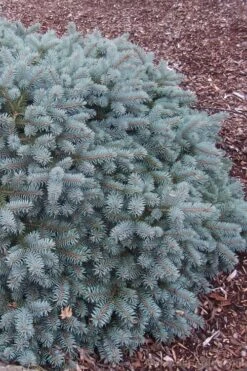
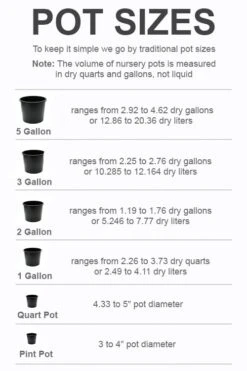

Lundeby’s Dwarf Colorado Blue Spruce (Picea Pungens) – 6 Gallon Pot
Original price was: $229.97.$95.99Current price is: $95.99.
- Secure Shopping with Safe Payments
- Buy quality, buy with us.
- Control the delivery date and try to deliver it in the fastest time
- Safe Transactions, Happy Customers

‘Lundeby’s Dwarf’ Colorado Blue Spruce
Picea pungens ‘Lundebey‘s Dwarf’
Plant Details
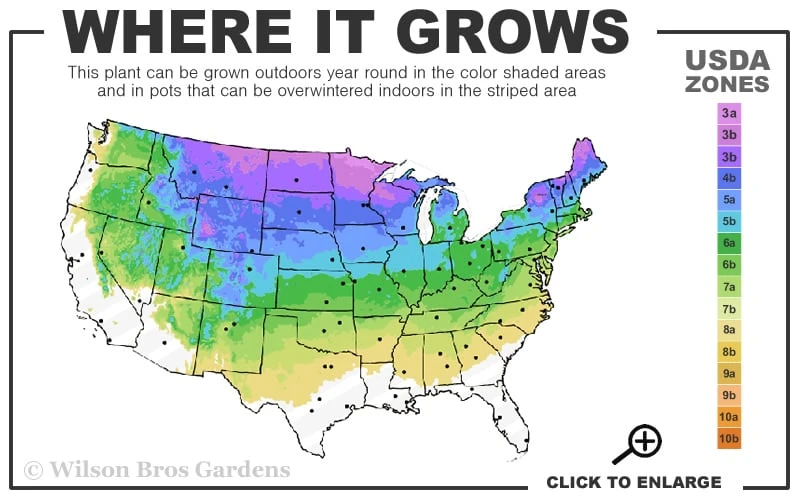
USDA Plant Hardiness Zones: 2a-7b (8a with some in the afternoon) Find Your Zone
Plant Type: Coniferous Evergreen Shrub
Height at Maturity: 2′
Width at Maturity: 3′
Spacing: Use as a specimen
Spacing: Use as a specimen
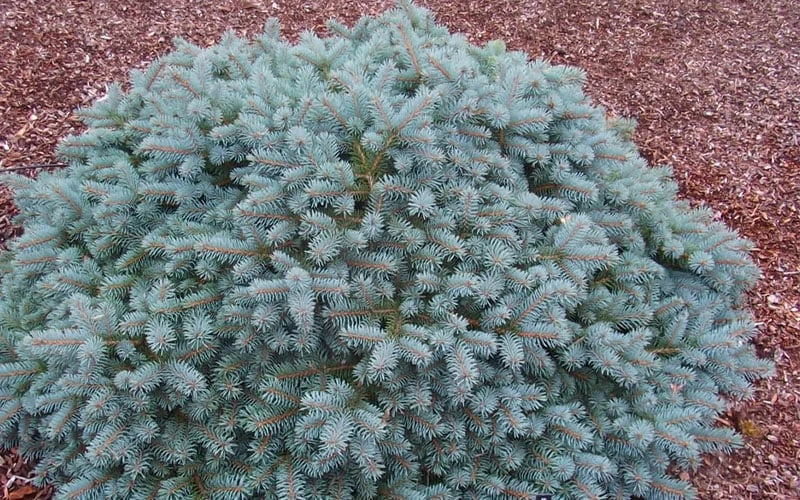
Growth Habit / Form: Broad Rounded Mound
Growth Rate: Slow, 4 to 5 inches per year
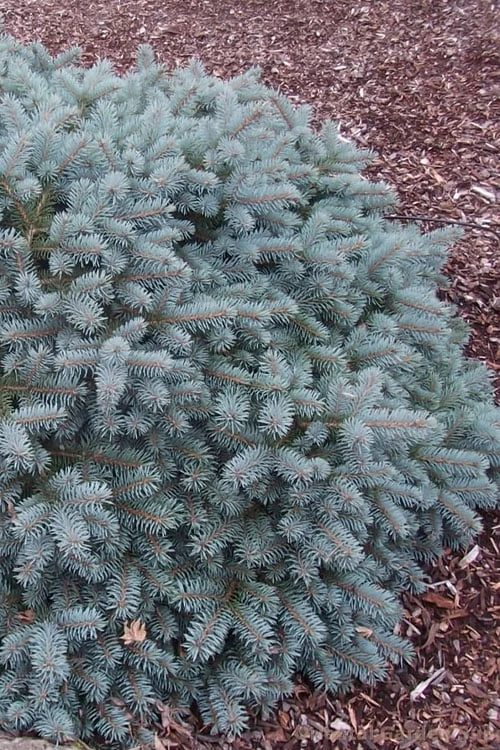
Foliage Color: Steel Blue
Fragrant Foliage: Yes
Sun Needs: Full Sun or Mostly Sun, Filtered Afternoon Sun in hot climates of Zones 7b-8a
Water Needs: Average, low when established
Soil Type: Clay (amend heavy clay to ensure good drainage), Loam, Sand, Silt
Soil Drainage: Moist to Lightly Moist but Well Drained
Soil pH: 5.0 – 7.5 (Acid to Neutral)
Maintenance / Care: Very Low
Attracts: Visual Attention
Resistances: Cold Temperatures (-50F), Deer, Disease, Drought, Insect
Description
A rare form of the native Colorado Blue Spruce, at only 2 feet high and 3 feet wide at maturity ‘Lundeby’s Dwarf’ is one of those special focal point plants you want to choose just the right spot for in landscape. Its compact, dense and mounding form make it ideal for use as a specimen in rock gardens, home foundation plantings, conifer gardens and containers. The stems on the horizontally layered branches are densely packed with attractive and soothing steel blue needles that hold their color year round. Ultra low-maintenance, drought tolerant when established, and cold hardy to -50F Lundeby’s Dwarf is very easy to grow in a sunny to lightly shaded environment with well-drained soil.
Landscape & Garden Uses
Growing slowly in a dense mound to 2 feet tall and 3 feet wide, the Lundeby’s Dwarf Blue Spruce is ideal for use as a focal point specimen in small garden spaces, home foundation plantings, conifer or rock gardens and containers. Also excellent for the Xeriscape (low water needs).
Suggested Spacing: We suggest using this unusual plant as a specimen
Growing Preferences
Lundeby’s Dwarf Colorado Blue Spruce is easy to grow in a damp to moist but well-drained soil of average fertility. As with so many other conifers, constantly soggy or wet soils can lead to root rot or other harmful plant diseases. So make sure to plant this one in well-drained soil. Established plants have good drought tolerance. It grows best in full sun however in Zones 7b and 8a in the south it will prefer some shade or filtered sun during the middle of the afternoon. Once established water needs are quite low when growing in the ground. In pots, soil moisture will need to be monitored more closely, especially during summer. When the top two inches of soil is dry, provide water.
Note: Find helpful advice from our experts under the Planting & Care tab above on desktop monitors or below on mobile devices.
Plant Long & Prosper!
Meet The Wilson Brothers & Staff
Questions? Contact Us!
Be the first to review “Lundeby’s Dwarf Colorado Blue Spruce (Picea Pungens) – 6 Gallon Pot”
Related products
Sale!
Original price was: $129.97.$90.98Current price is: $90.98.
Sale!

NATIVE PLANTS
Original price was: $39.97.$27.98Current price is: $27.98.
Sale!
NATIVE PLANTS
Original price was: $79.97.$55.98Current price is: $55.98.
Sale!

NATIVE PLANTS
Original price was: $79.85.$55.90Current price is: $55.90.
Sale!

Original price was: $39.97.$27.98Current price is: $27.98.
Sale!

NATIVE PLANTS
Original price was: $208.85.$97.99Current price is: $97.99.
Sale!
Original price was: $44.97.$31.48Current price is: $31.48.
Sale!
Original price was: $79.97.$55.98Current price is: $55.98.
Reviews
There are no reviews yet.